
Prevention
Modern medicine is increasingly transitioning towards preventive care. This shift towards prevention has also been observed in breast cancer care in recent years, particularly with the discovery of the BRCA gene. Subsequently, multiple genes and risk factors have been identified. Depending on these factors, a personalized screening strategy can be chosen. Therefore, it is crucial to understand these genetic and risk factors.
Diagnosis
I was diagnosed with cancer ... This website serves as a portal designed to assist you and your loved ones in accessing personal information and finding solutions to your concerns.
The primary goal of this website is to offer guidance and support to patients as they navigate their journey toward recovery and improved quality of life. The "Diagnosis" section of our website is divided into two main categories. Firstly, under "Anatomy and Physiology," we provide fundamental knowledge about the breast. Secondly, in the "Tumors and Disorders" section, we delve deeper into various breast-related conditions.
Moreover, we aim to provide information to women who may be concerned about potential breast issues but are hesitant to seek immediate medical advice. Knowledge and information can often offer immediate reassurance if a woman is able to identify the issue herself and determine that no specific treatment is necessary. Conversely, we also strive to educate women who have received a diagnosis of a serious breast condition, such as breast cancer, and wish to approach their doctor well-informed and prepared.
Treatment
The treatment for breast cancer should immediately include a discussion about reconstruction. Our foundation has no greater goal than to raise awareness of this among patients and oncological surgeons. By making an informed decision beforehand, we avoid closing off options for later reconstruction while still considering the oncological aspect. Of course, survival is paramount, and the decision of the oncologic surgeon will always take precedence.
The "Reconstruction or not?" page contains all the information you can expect during an initial consultation before undergoing tumor removal. This page is comprehensive, and your plastic surgeon will only provide information relevant to your situation.
"Removing the tumor" details the surgical procedure itself. This is the most crucial operation because effective tumor removal remains paramount. We guide you through the various methods of removal, a decision often made by a multidisciplinary team comprising oncologists, radiologists, pathologists, radiotherapists, breast nurses, gynecologists, oncological surgeons, and plastic surgeons.
The "Breast Reconstruction" section includes information and illustrations of the different reconstruction options along with corresponding steps.
Revalidation
Those treated for cancer often need a long period to recover.
Cancer is a radical illness with a heavy treatment. Often, people have to deal with psychosocial and/or physical problems afterwards, such as stress, anxiety, extreme fatigue, painful joints, reduced fitness, lymphedema... This can have a major impact on general well-being.
There are rehabilitation programmes offered by most hospitals. We cover some of the major topics here.
Quality of life
Quality of life is a key factor in coping with breast cancer. Therefore, it is important to find coping mechanisms that work, which will be different from patient to patient. For some, it may be finding enjoyment in activities they engaged in prior to diagnosis, taking time for appreciating life and expressing gratitude, volunteering, physical exercise... Of prime importance, studies have shown that accepting the disease as a part of one’s life is a key to effective coping, as well as focusing on mental strength to allow the patient to move on with life. In this section we are addressing some topics that patients experience during and after treatment and we are providing information to address them.
Impact Report 2025
12 January 2026 in NewsWe would like to express our sincere thanks to all of our sponsors, partners, and everyone who contributed to Beautiful After Breast Cancer Foundation in 2025. Thanks to your support, we have achieved our goals and been able to support many breast cancer patients, their loved ones, and healthcare providers.
In 2026, we will continue our commitment to breast cancer patients by intensifying our efforts, strengthening our team, and expanding our collaborations. The courage of patients remains an inspiration to us.
We are proud to present our 2025 Impact Report, in which we share the results of the past year. Every success story is a reflection of your involvement and support.
Here are some highlights from 2025.
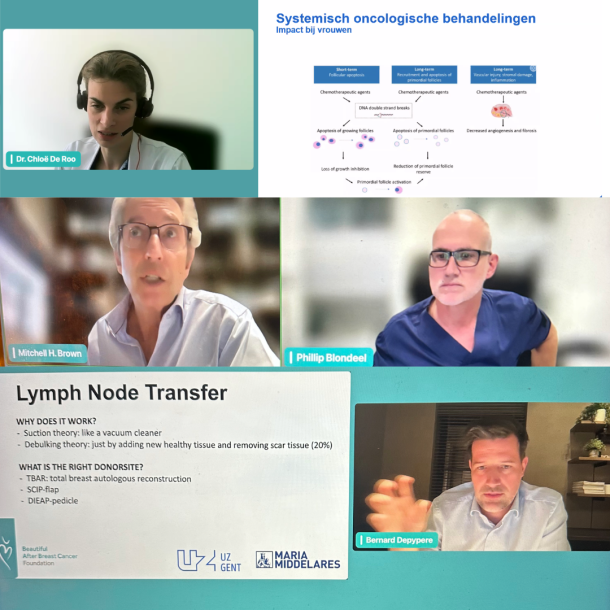
Informative Events
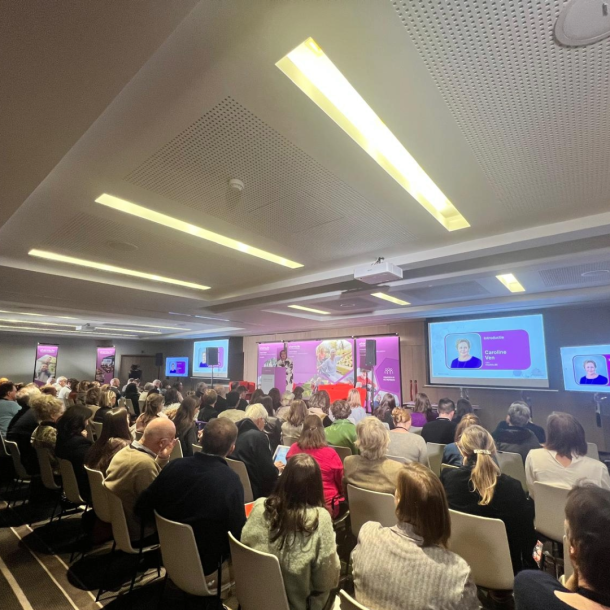
In 2025, we organized five informative events for breast cancer patients, in collaboration with leading specialists and healthcare professionals. More than 780 people participated in these sessions, which covered a wide range of important topics.
Cancer Congress
In September, we organized the Cancer Congress in collaboration with CRIG, Stop Darmkanker, CORE (University of Antwerp), and the Cancer Center of UZ Ghent.
These events provided valuable insights and support aimed at improving the quality of life of participants.
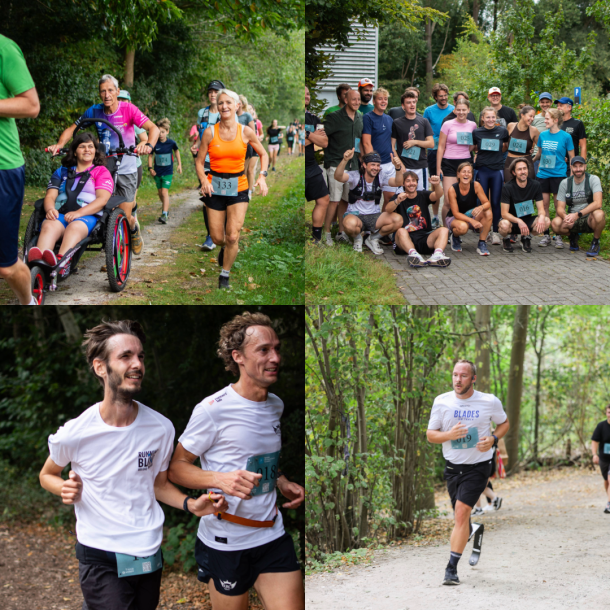
Successful Tietjes Trail 2025
On August 31, 2025, the Beautiful After Breast Cancer Foundation organized the second successful edition of its annual Charity Run. This year, the event was held under the name Tietjes Trail, a name we will continue to use in the future.
A total of 206 runners took part in this edition. In addition, participants raised €3,874 through peer-to-peer fundraising campaigns to support our activities for breast cancer patients.
Awareness Events
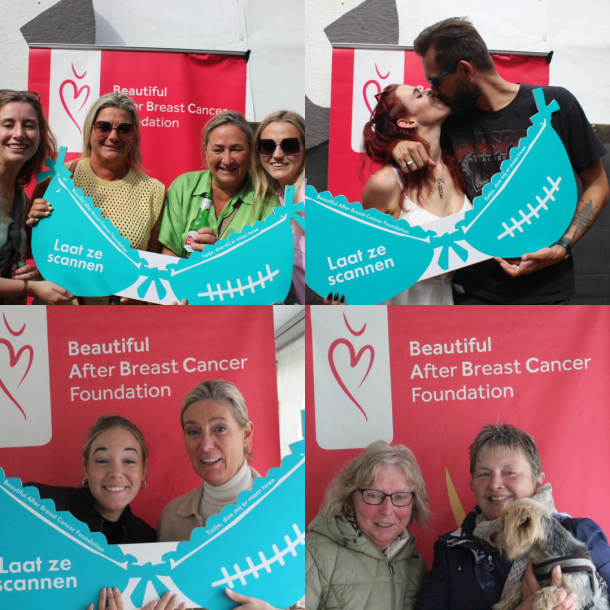
In 2025, we were present at several large and smaller events to raise awareness about breast cancer, including YOU.FO, the Fonnefeesten, Beach Jumping Middelkerke, Mood Beach Knokke, and others.
During these events, we captured attention with our interactive photo booth, creative breast-themed signs, and unique viewing boxes. These activities not only created a playful interaction but also helped us share our important message with a wide audience.
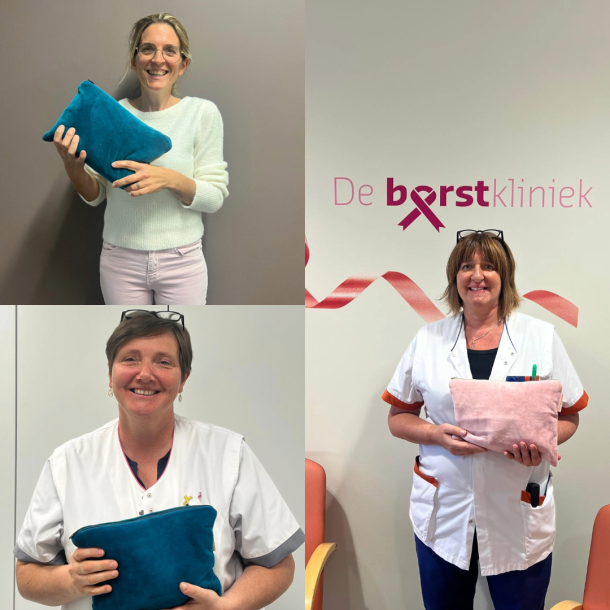
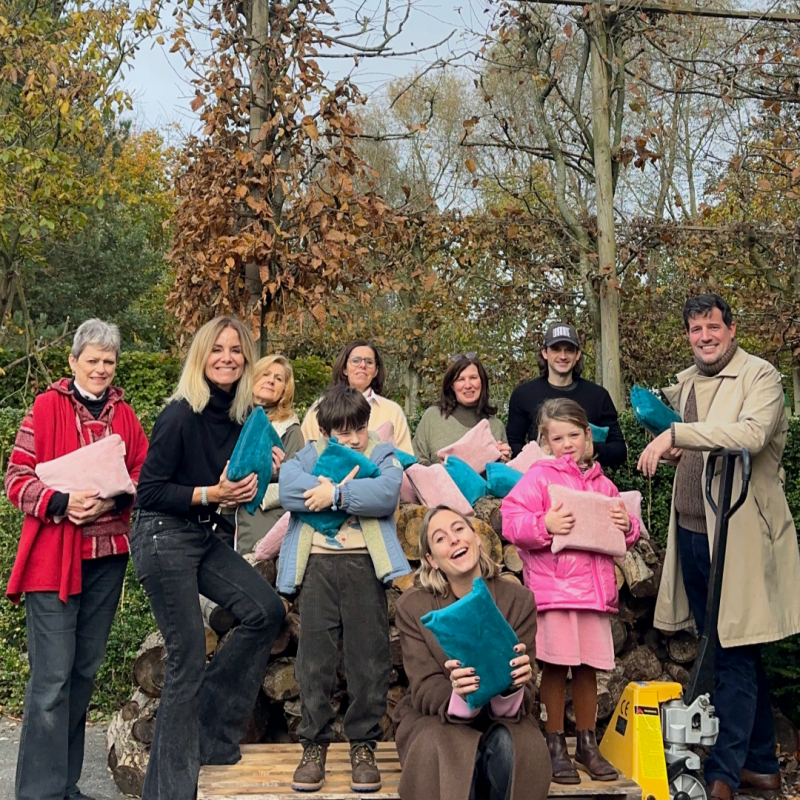
Boobie Bags
This year, we once again distributed 1,000 Boobie Bags to breast cancer patients through recognized breast clinics in Belgium.
These specially designed bags are intended to provide support to patients who have just received a breast cancer diagnosis.
Social Media BOOM
In 2025, we reached 1.8 million views across our social media channels. This impressive reach is invaluable in increasing breast cancer awareness and widely sharing important information.
Blog – Borst Vooruit
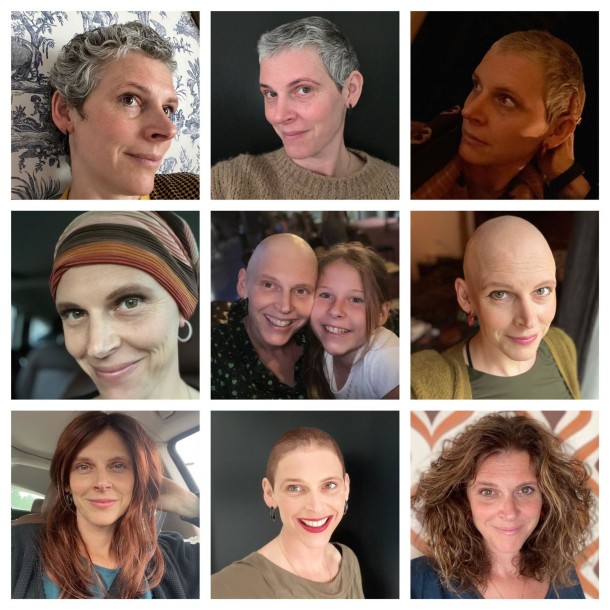
In 2025, we started a warm and meaningful collaboration with Pia Naber. Throughout the year, Pia shared her personal breast cancer journey in twelve blogs on our website. With honesty, resilience, and a healthy dose of humor, she brought a relatable and inspiring story that deeply resonated with many readers. The blogs are linked to her book Borst Vooruit and offered support, recognition, and hope to (former) breast cancer patients and their loved ones.
Breast Engineering Fund
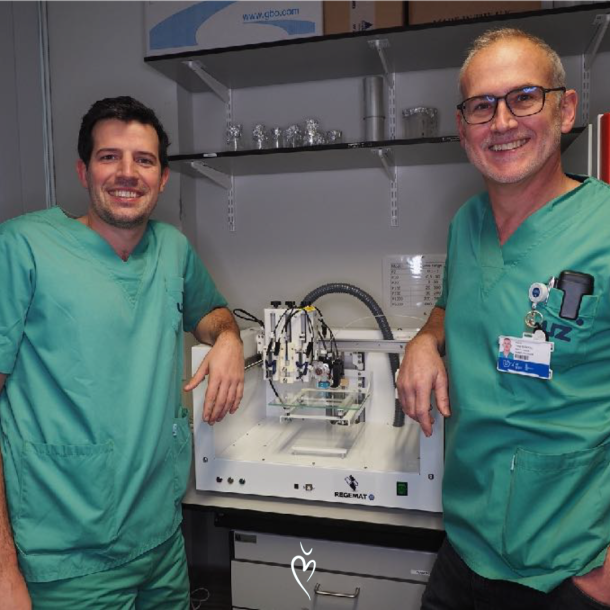
Each year, we support the Breast Engineering Fund, which helps patients gain access to innovative treatments and techniques. Through a contribution of €25,000, we are able to support groundbreaking research and the implementation of advanced care for breast cancer patients.
Additional Representation
In 2025, we represented BABC in various external consultation forums where patient organizations are increasingly involved as full-fledged stakeholders in the health ecosystem. We did this in collaboration with, among others, AstraZeneca, 4Tissue, pharma.be, and All.Can. In this way, we brought the patient perspective to discussions on the design of clinical studies, clinical endpoints, and reimbursement decisions, with a focus on survival and quality of life, including recognition of the value of intermediate endpoints in accelerating access to innovative treatments.
In addition, we participated in sector consultations on policy development, collaboration, and prevention, and provided substantive input for a national white paper on clinically meaningful objectives in oncology. Through these efforts, we actively contributed to strengthening and structurally embedding the patient voice in policy and decision-making.
Thanks to the support of our donors, partners, and team members, we can look ahead with confidence to a future in which we continue to support, empower, and inspire breast cancer patients.
On behalf of the entire BABC team and the women we have been privileged to support over the past years: thank you. You make the difference.
Newsletter